
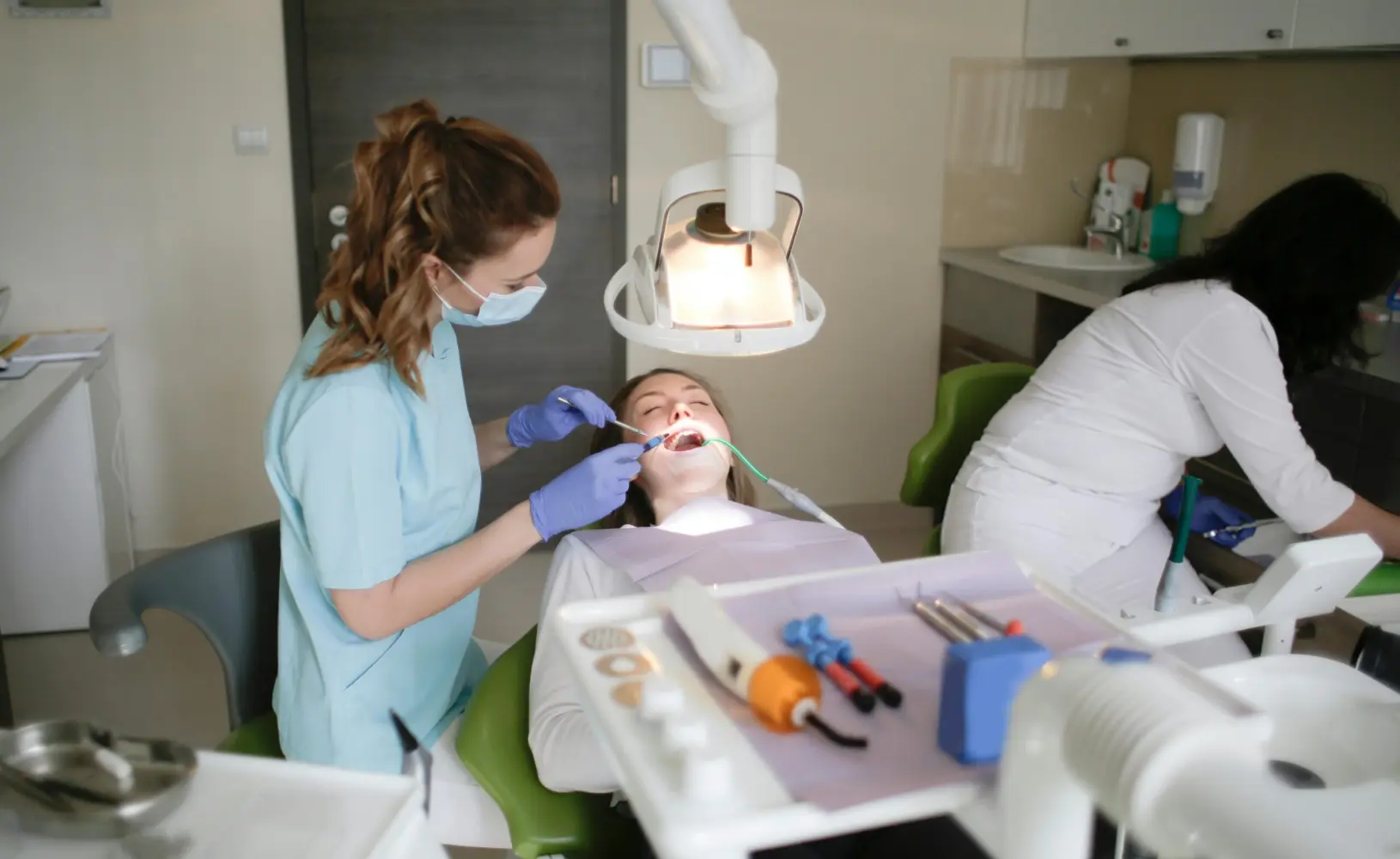
When back teeth are lost, the changes that follow are often gradual rather than dramatic.
This clinical insight is intended for educational purposes and reflects general treatment considerations. Individual assessment is necessary before any treatment decision is made.
When Back Teeth Are Lost, Changes Can Be Gradual
I am currently managing a patient with two missing lower right molars. The teeth had been absent for some time and were not painful. The patient sought a consultation after noticing that chewing felt uneven. One side of the jaw seemed to be working harder, with occasional fatigue on the left side after meals. Rather than severe pain, the concern was a sense that the bite no longer felt balanced.
How Missing Teeth Can Affect Bite Balance
On examination, I observed that an upper right molar had gradually moved downward into the space left by the missing lower right teeth. This process, known as supra-eruption, can occur when a tooth no longer has an opposing tooth to meet.
The teeth were no longer meeting evenly, and the patient appeared to be placing more chewing pressure on the left side. Uneven loading can affect comfort and may contribute to wear or strain on certain teeth and jaw muscles over time.
Replacing missing back teeth with dental implants may be one option for restoring chewing support, depending on the clinical findings and the available space.
Determining the Treatment Sequence
During the same assessment, I also noted that the upper front teeth were overlapping, with one slightly rotated and another partly positioned behind its neighbour.
The patient had already been considering teeth straightening but initially assumed that the missing molars could be replaced with implants first and the alignment addressed later.
I explained that the order of treatment matters because, unlike natural teeth, dental implants cannot be moved through orthodontic treatment once integrated into the bone. Placing an implant before finalising the overall tooth positions may therefore place constraints on later treatment planning.
After discussing these considerations, the patient chose to begin with clear aligner treatment before proceeding to implant placement.
Why Treatment Sequence Matters
When missing teeth, crowding and bite changes are considered together, it can be helpful to plan orthodontic and restorative treatment in stages. In this case, the initial stage allows us to review tooth positions before planning the implant restoration.
This does not mean teeth straightening must always come before dental implants. The appropriate sequence depends on the teeth involved, bite relationships, the condition of the surrounding tissues and the overall treatment plan.
For patients considering both tooth replacement and teeth straightening, the starting point is a clinical assessment to understand which steps may be appropriate and how they relate to one another.