
Periodontal Therapy in Singapore
Overview
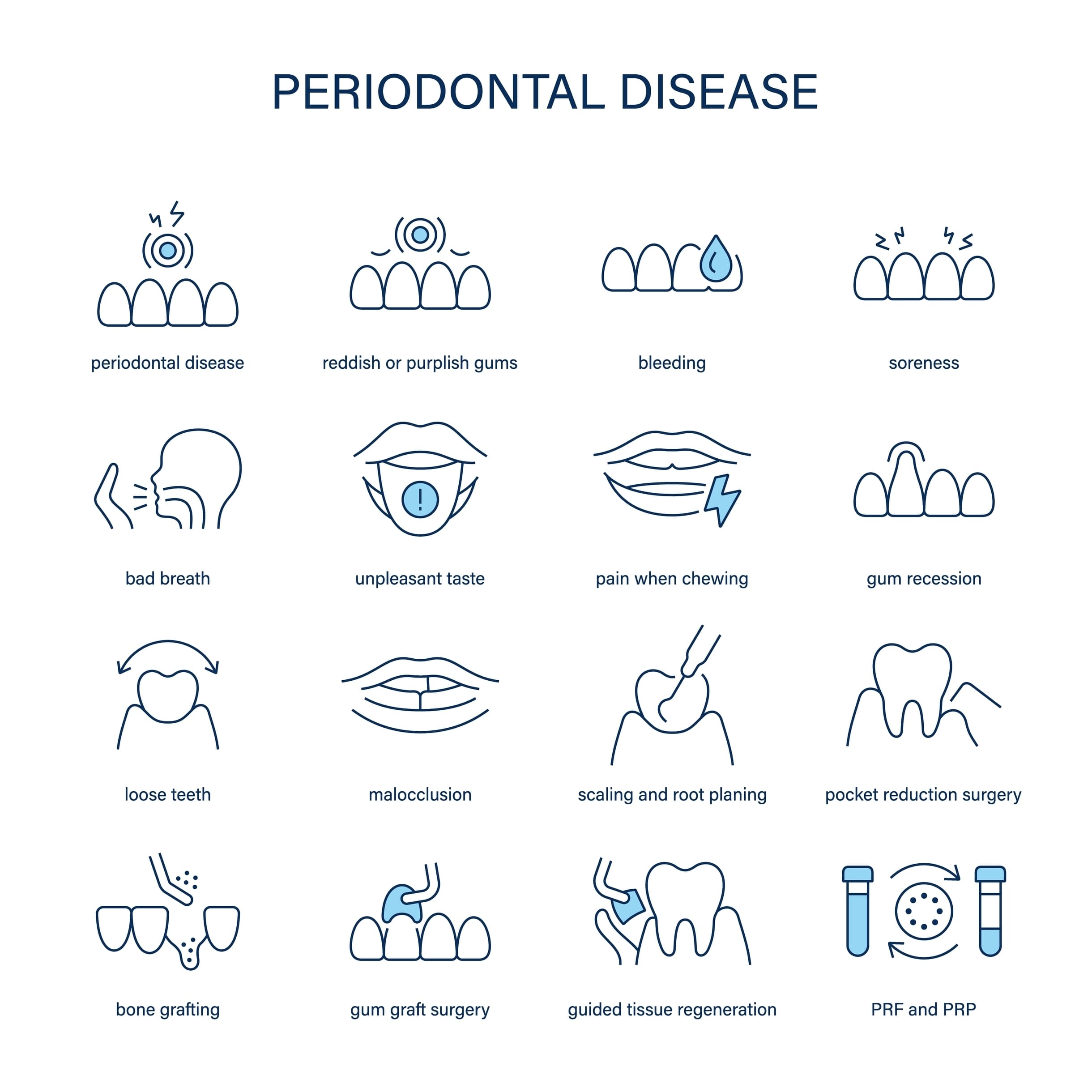
Periodontal therapy focuses on the structured management of gum and supporting bone health where inflammation has progressed beyond routine gingivitis.
Unlike preventive scaling performed for maintenance, periodontal therapy is indicated when deeper bacterial involvement affects supporting tissues surrounding teeth. The objective is to stabilise inflammation, reduce pocket depth, and preserve structural support.
Early intervention improves the likelihood of long-term tooth retention.
Understanding Periodontal Disease Progression
Gum disease begins as gingivitis, characterised by inflammation and bleeding of the gums. If untreated, bacterial accumulation may extend below the gum line, leading to periodontitis.
Periodontitis involves destruction of supporting bone and connective tissue. As bone support diminishes, teeth may become mobile or shift position.
Because progression is often gradual and painless in early stages, many cases are detected during routine examination rather than through symptoms alone.
Clinical Assessment
Periodontal evaluation includes measurement of gum pocket depth, assessment of bleeding tendency, evaluation of bone levels (where indicated), and inspection of tissue response.
Risk factors such as smoking, systemic conditions, oral hygiene patterns, and previous periodontal history are considered.
Diagnosis determines whether routine scaling is sufficient or whether structured periodontal therapy is required.
What Periodontal Therapy Involves
Periodontal therapy typically includes deeper cleaning procedures targeting deposits beneath the gum line.
This may involve scaling and root surface debridement to remove bacterial biofilm and calculus from root surfaces. The goal is to reduce inflammation and allow gum tissues to reattach where possible.
Treatment may be performed in stages depending on severity and extent of involvement.
Ongoing maintenance is essential following active therapy.
Stabilisation and Maintenance
Successful periodontal therapy requires continued monitoring and maintenance appointments.
Even after inflammation stabilises, patients with a history of periodontal disease require closer review intervals to reduce risk of recurrence.
Long-term success depends on consistent oral hygiene, professional monitoring, and risk factor management.
When Periodontal Therapy Is Necessary
Periodontal therapy may be indicated when:
- Persistent gum bleeding is present
- Deep periodontal pockets are detected
- Radiographic bone loss is observed
- Gum recession progresses
- Teeth exhibit mobility
Early management reduces the likelihood of advanced bone destruction.
Considering Periodontal Therapy?
If bleeding gums, persistent inflammation, or bone loss has been identified during examination, structured periodontal evaluation allows assessment of disease severity and discussion of stabilisation strategies.
Appointments may be arranged for assessment and management planning where appropriate.
Frequently Asked Questions About Terapi Periodontal
Routine scaling addresses plaque and calculus above and slightly below the gum line for maintenance. Periodontal therapy involves deeper debridement to manage established periodontal involvement.
Early gingivitis may be reversible with appropriate care. Periodontitis involves structural loss, but progression can often be stabilised with treatment and maintenance.
Treatment is performed with appropriate anaesthesia where necessary. Sensitivity may occur temporarily after deeper cleaning procedures.
Frequency depends on severity and individual risk factors. Patients with periodontal history typically require more frequent monitoring.
Advanced bone destruction may compromise tooth stability. Early detection and structured management reduce this risk.
Research suggests associations between periodontal inflammation and systemic health conditions. Maintaining gum stability supports overall health management.
Untreated periodontal disease may progress, leading to bone loss, gum recession, and potential tooth mobility.