
Root Canal Treatment in Singapore
Overview
Root canal treatment is performed to manage infection or inflammation within the inner portion of a tooth. When the pulp tissue becomes infected due to decay, trauma, or structural compromise, intervention may be required to preserve the remaining tooth structure.
The objective of root canal treatment is to remove infected tissue, disinfect the internal canal system, and seal the tooth to prevent reinfection. When appropriately indicated and restored, root canal therapy allows retention of the natural tooth while restoring functional stability.
When Root Canal Treatment May Be Required
Root canal treatment may be considered when:
- Persistent toothache occurs
- Sensitivity to heat or cold lingers
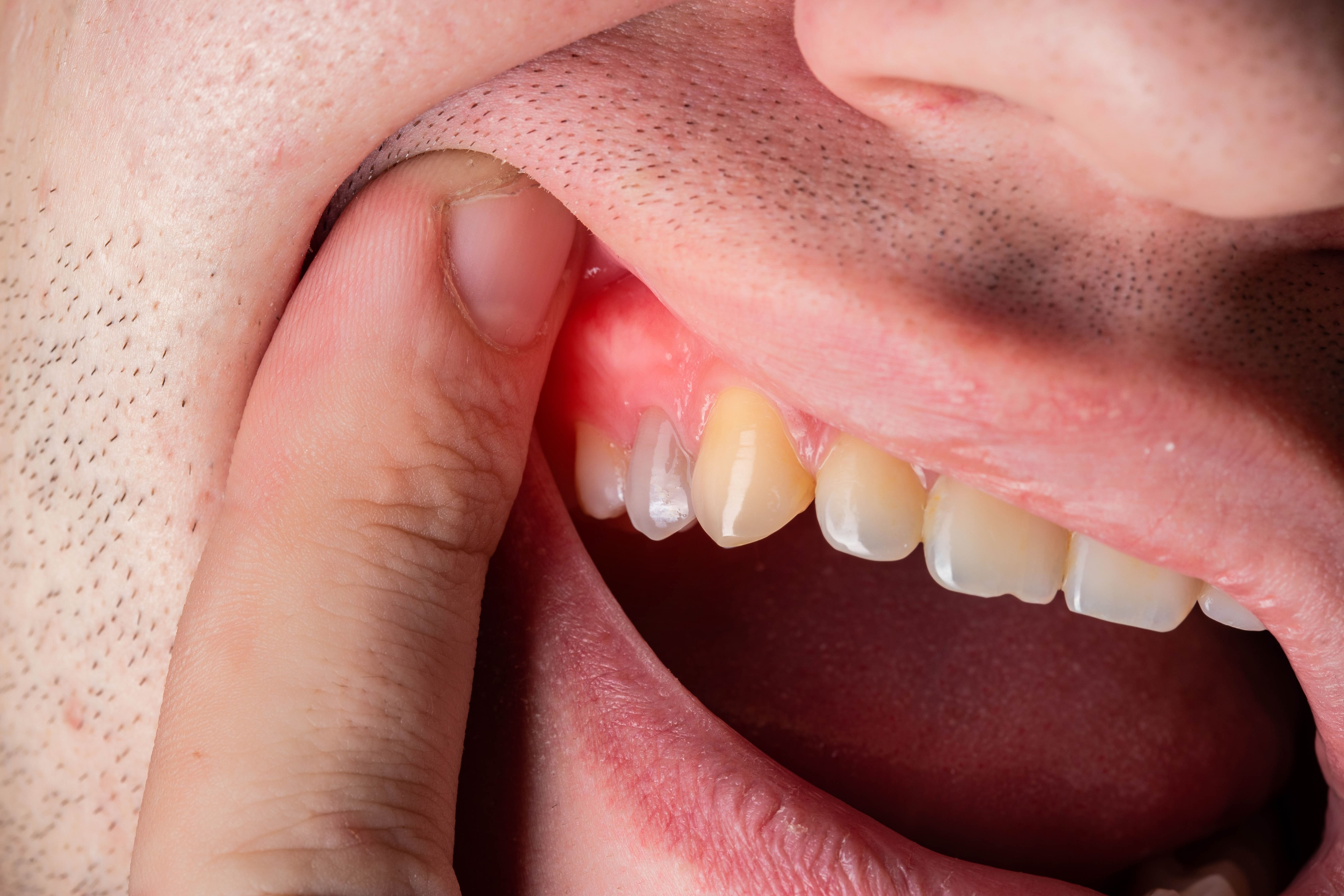
- Swelling develops around the gum
- A darkening of the tooth is observed
- Infection is detected radiographically
In some cases, symptoms may be minimal. Clinical examination and radiographic assessment determine whether pulpal involvement is present.
The Treatment Process
Root canal treatment typically involves:
- Removal of infected pulp tissue
- Cleaning and shaping of the canal system
- Disinfection of internal structures
- Sealing of the canal space
- Restoration of the external tooth structure
Depending on complexity, treatment may be completed in one or multiple visits.
Preserving the natural tooth helps maintain bite alignment and chewing function.
Restoration After Root Canal
Following root canal therapy, the treated tooth often requires reinforcement.
Because infected pulp removal reduces internal structural integrity, placement of a dental crown may be recommended to protect against fracture.
Restorative planning is essential to ensure long-term durability.
Longevity and Maintenance
When properly restored and maintained, root canal-treated teeth may function for many years.
Long-term success depends on:
- Adequate sealing
- Structural reinforcement
- Good oral hygiene
- Routine review
Regular examination helps monitor stability and detect any complications early.
Considering Root Canal Treatment?
If persistent tooth pain, swelling, or infection has been identified, structured evaluation allows assessment of whether root canal therapy is appropriate.
Timely intervention reduces the likelihood of further structural compromise.
Appointments may be arranged for assessment and treatment planning where indicated.
Frequently Asked Questions About Perawatan Saluran Akar
Modern techniques and appropriate anaesthesia allow treatment to be performed with controlled comfort. Post-treatment sensitivity may occur temporarily.
Preserving the natural tooth is generally preferred when structurally feasible. Extraction may require additional restorative planning such as implants or bridges.
Duration varies depending on complexity and number of canals involved.
In many cases, a crown is recommended to reinforce structural integrity.
If sealing or restoration fails, reinfection may occur. Regular review reduces this risk.
Root canal treatment is a standard procedure performed to manage dental infection and preserve tooth structure.