
Tooth Extractions in Singapore
Overview
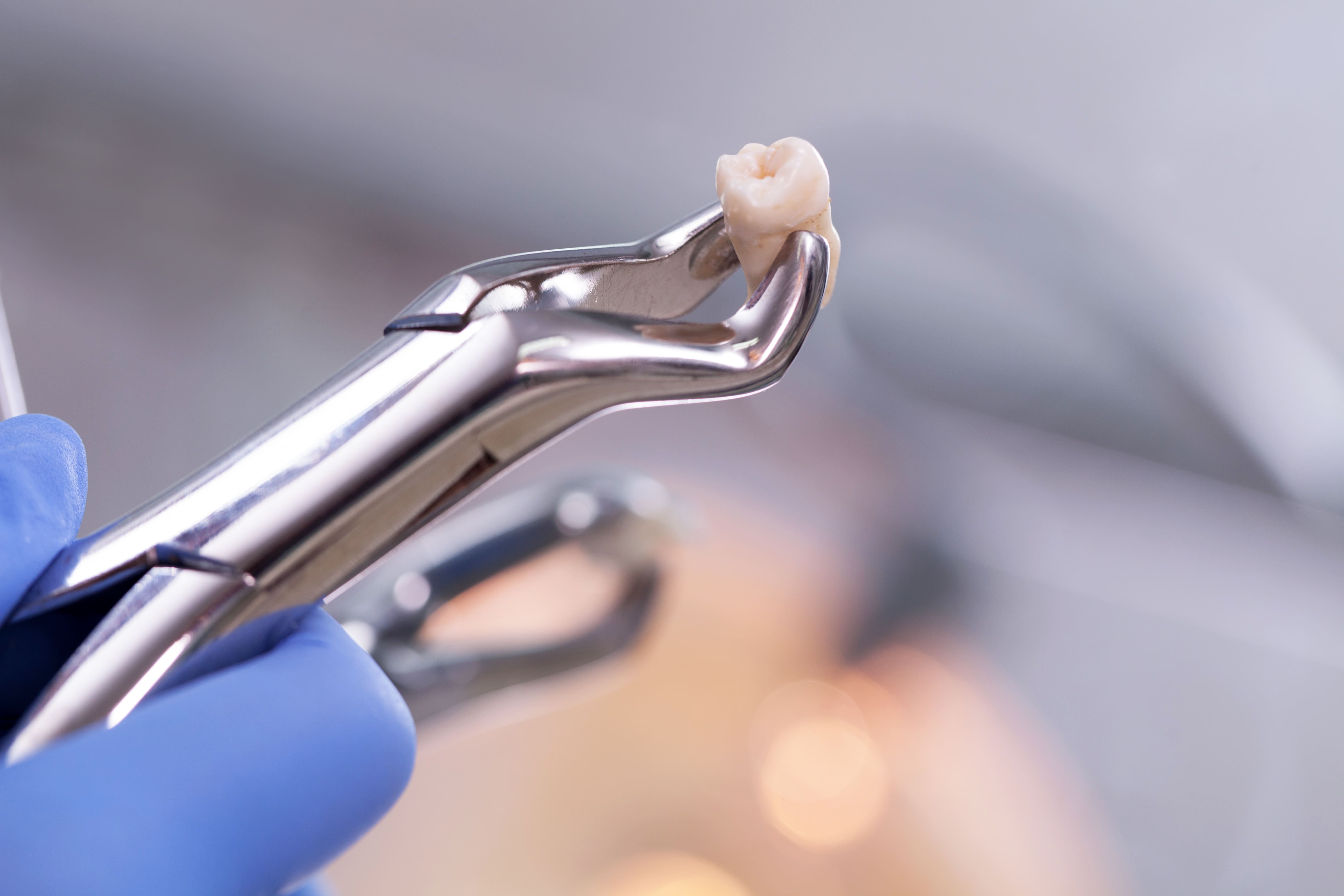
Tooth extraction involves the removal of a tooth that cannot be preserved through restorative or endodontic treatment. While preservation of natural teeth is generally prioritised, extraction may be indicated where structural compromise, infection, or fracture renders long-term stability unlikely.
The objective is not simply removal, but controlled management of surrounding tissues, adjacent teeth, and post-extraction healing. Treatment planning includes consideration of replacement options where appropriate to maintain structural balance within the dental arch.
Extraction decisions are guided by prognosis rather than symptoms alone.
Clinical Assessment and Case Selection
Extraction is recommended only after structured evaluation confirms that restorative alternatives are not predictable.
Assessment includes evaluation of decay extent, fracture pattern, periodontal support, infection severity, and radiographic findings. In some cases, root canal treatment or crown reinforcement may preserve the tooth. In others, structural compromise may extend beyond repairable limits.
The long-term impact on bite stability and neighbouring teeth is also considered before proceeding.
Extraction is typically indicated when the prognosis for retention is unfavourable.
Types of Extractions
Extractions may be classified as simple or surgical.
A simple extraction is performed when the tooth is visible above the gum line and accessible for removal without extensive tissue manipulation.
Surgical extraction may be required when a tooth is fractured at the gum line, severely decayed, or positioned in a manner that limits direct access. This approach may involve controlled access to surrounding bone and careful sectioning where necessary.
The chosen technique depends on anatomical positioning and structural condition.
Functional and Post-Extraction Considerations
Removal of a tooth may influence load distribution within the dental arch.
Adjacent teeth may shift over time if the space is not managed, and opposing teeth may over-erupt in the absence of contact. Replacement planning is therefore discussed where appropriate, particularly for functional teeth involved in chewing.
Healing involves formation of a blood clot within the extraction socket. Protecting this clot during early recovery is important to reduce the risk of complications such as dry socket.
Post-operative instructions are provided to support tissue healing and minimize disruption.
When Extraction May Not Be Necessary
Extraction is not recommended where structural preservation remains feasible.
Teeth with manageable decay, restorable fracture patterns, or treatable infection may be candidates for alternative therapies. Preserving natural dentition is often preferable when long-term stability can be maintained.
Suitability is determined through structured clinical evaluation.
Recovery and Healing
Healing time varies depending on tooth position, complexity of removal, and individual response.
Initial discomfort and swelling may occur following extraction. Most cases stabilize within several days, though complete tissue healing takes longer.
Follow-up may be arranged where necessary to assess healing progression and discuss replacement planning if indicated.
Considering Tooth Extraction?
If a tooth has sustained extensive damage, persistent infection, or fracture beyond restoration limits, assessment allows evaluation of prognosis and alternative management options.
Discussion includes procedural complexity, healing expectations, and long-term structural considerations.
Appointments may be arranged for consultation and assessment where appropriate.
Frequently Asked Questions About Pencabutan Gigi
The procedure is performed under appropriate anaesthesia. Discomfort following extraction varies depending on complexity and individual healing response. Post-operative guidance is provided to manage recovery.
Extraction may be indicated when structural damage extends beyond restorable limits or when fracture compromises long-term stability. Diagnosis is based on structural prognosis rather than symptoms alone.
Initial recovery typically occurs within several days, though complete healing of the socket takes longer. Healing duration depends on the complexity of removal.
Dry socket occurs when the protective blood clot within the extraction site is disrupted, exposing underlying bone. This may result in increased discomfort and requires clinical management.
Replacement may be recommended to maintain structural balance and prevent shifting of adjacent teeth. Options vary depending on location and functional requirements.
Many patients resume routine activities within a short period following simple extraction. Surgical cases may require additional recovery time depending on individual comfort levels.
No. Some teeth can be removed through simple extraction, while others require surgical access depending on structural condition and positioning.